




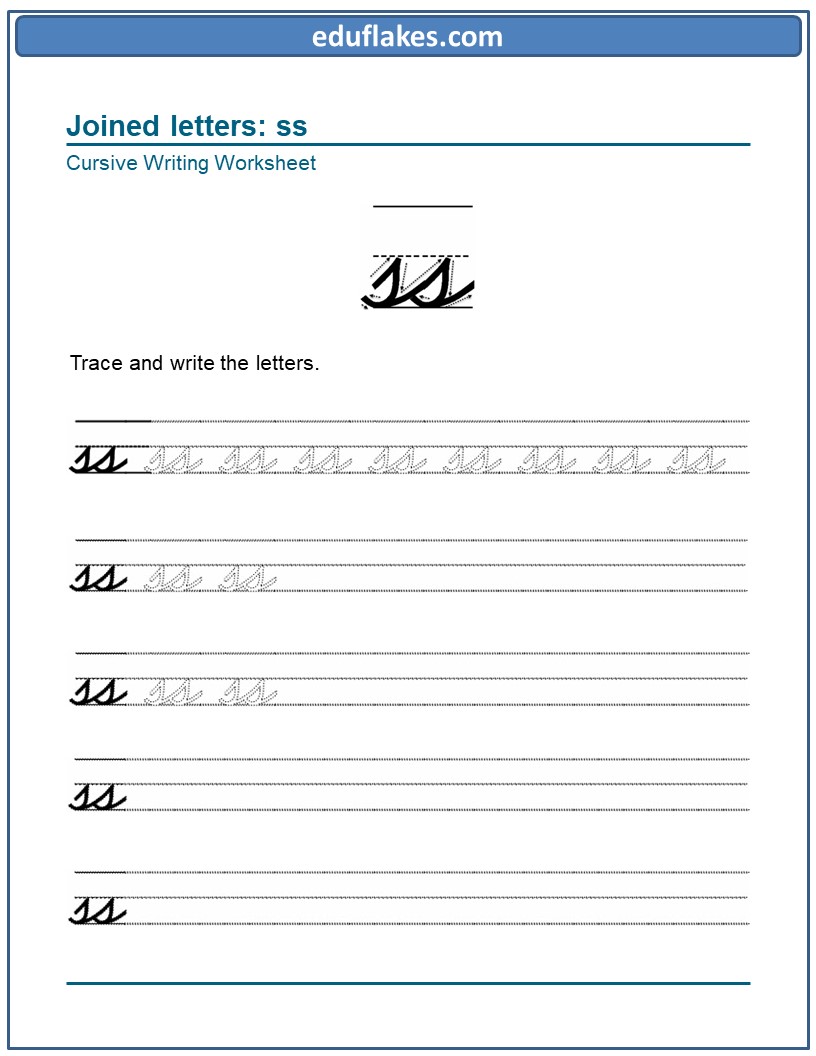


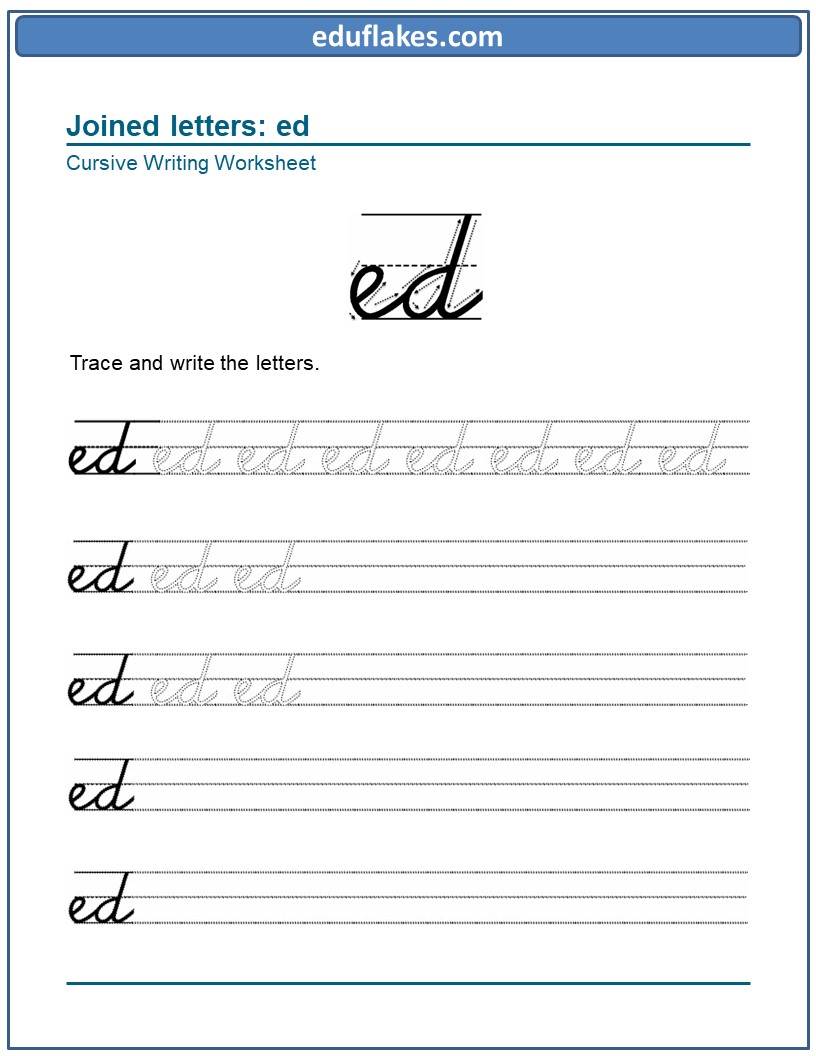

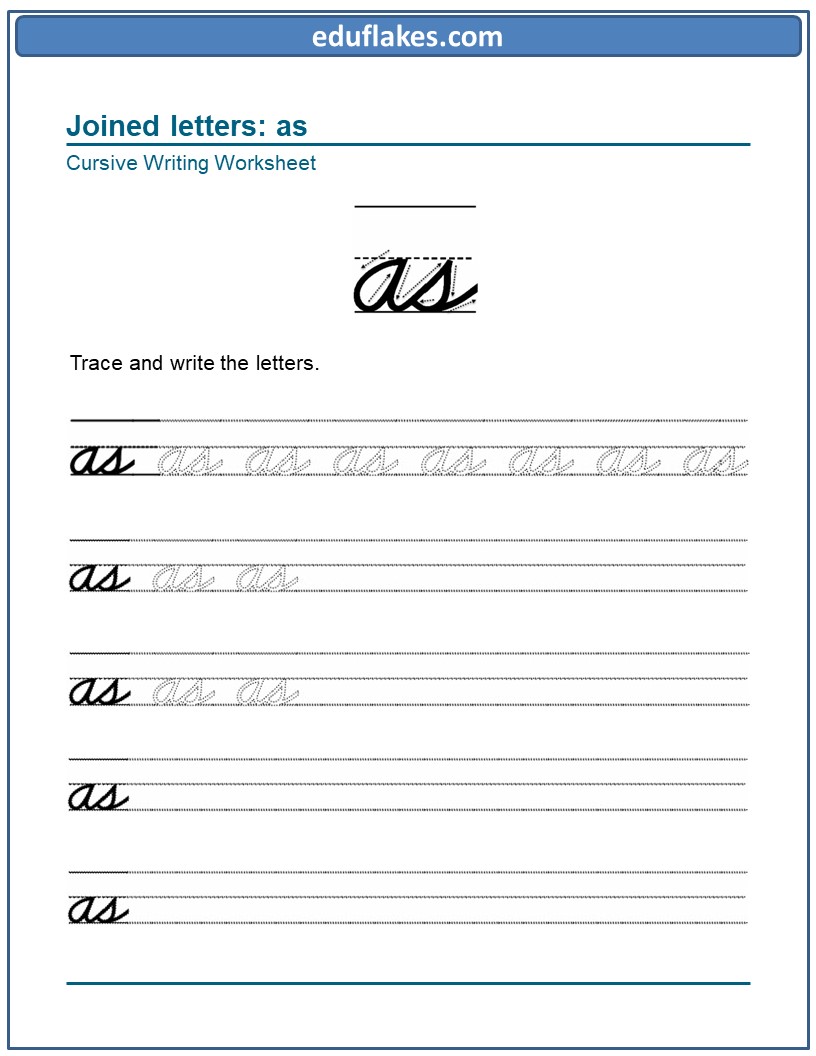
Cursive letters join
The Importance of Cursive Join Writing for Children: Why Every Child Should Learn It
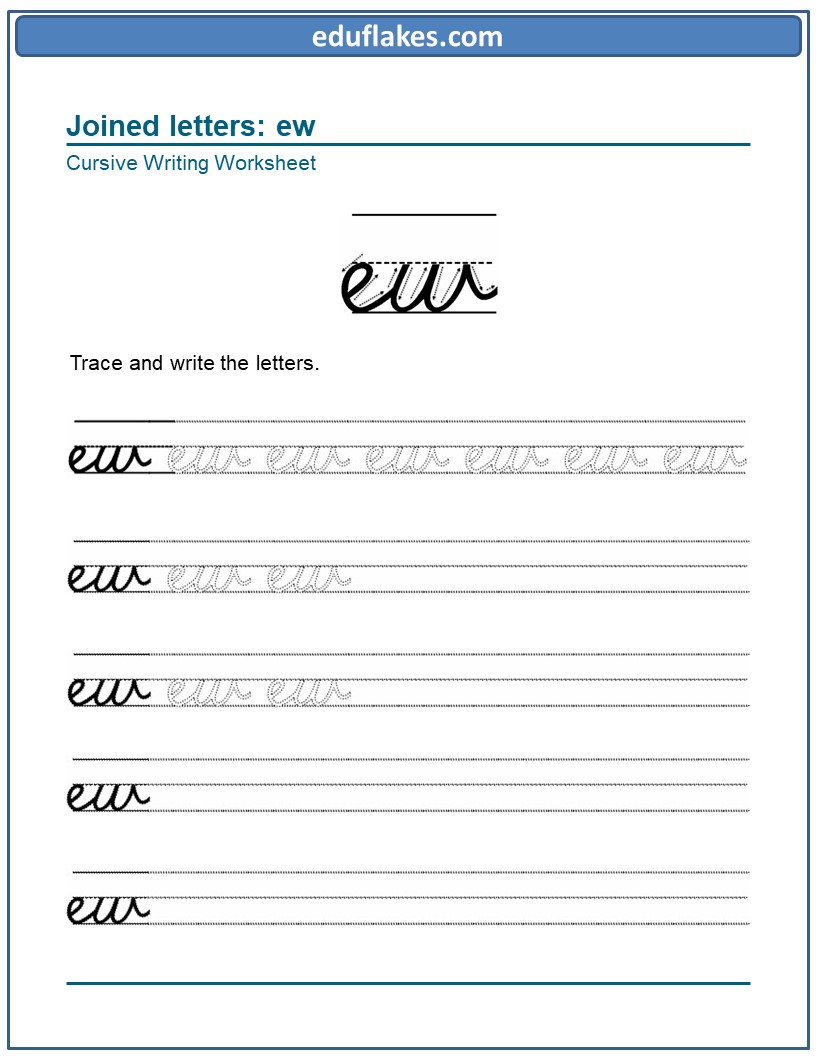
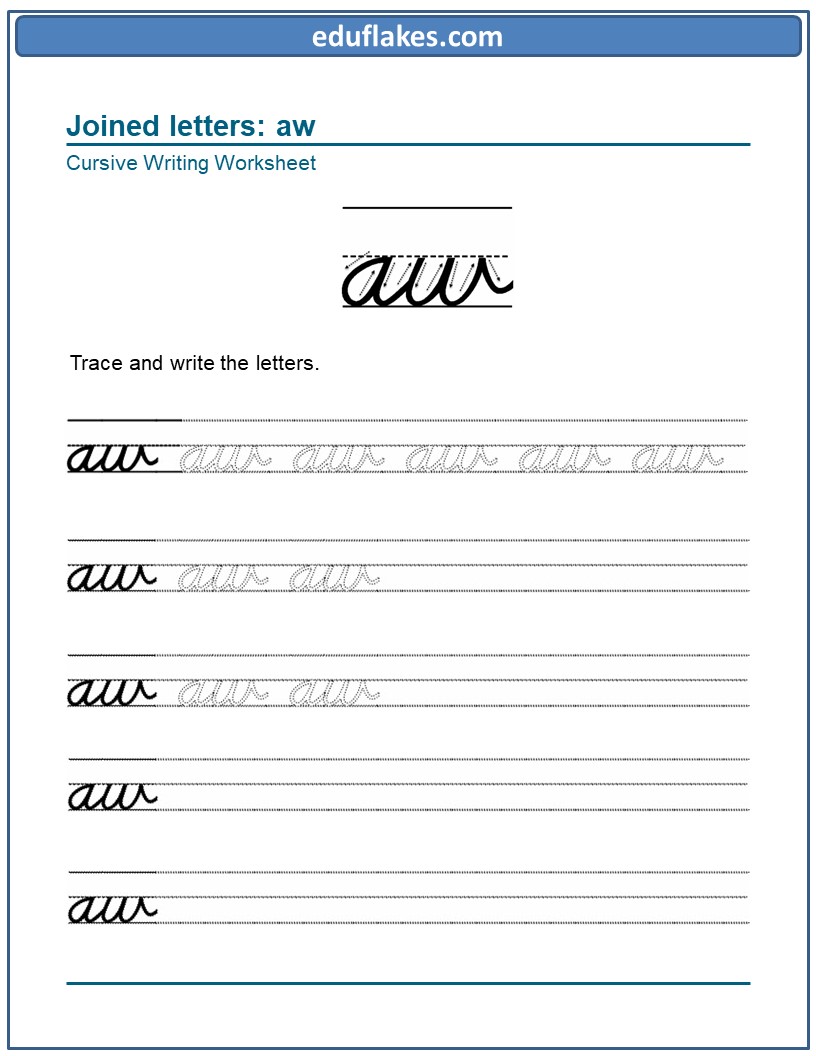
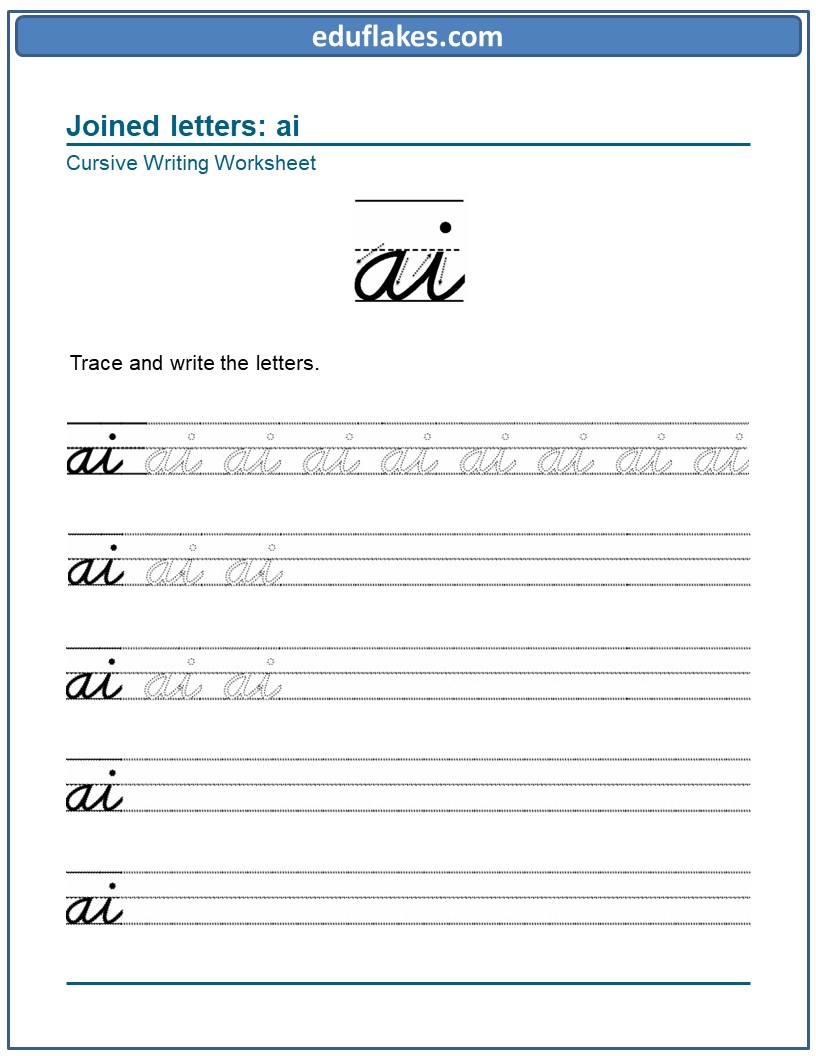
In an age where digital devices dominate communication, the art of handwriting—especially cursive writing—often feels overshadowed. Yet, cursive writing remains a powerful skill for children, contributing significantly to brain development, learning efficiency, reading fluency, and personal expression. The free PDF provides beautifully structured worksheets focused on cursive joins such as as, ea, ed, ing, ai, ch, sh, th, and many more. These worksheets help children understand how individual letters flow together, creating smooth, continuous words. But why is cursive join writing so important, and why should children invest time in learning it?

Let’s explore the surprising benefits of cursive writing and how it enriches a child’s educational journey.
1. Enhances Fine Motor Skills and Hand-Eye Coordination
Cursive writing requires more complex hand movements than print writing. The continuous strokes that connect letters encourage children to use small muscles in their fingers, hands, and wrists. This practice refines fine motor skills, which are essential not only for good handwriting but also for activities like buttoning clothes, using scissors, tying shoelaces, and even playing musical instruments.
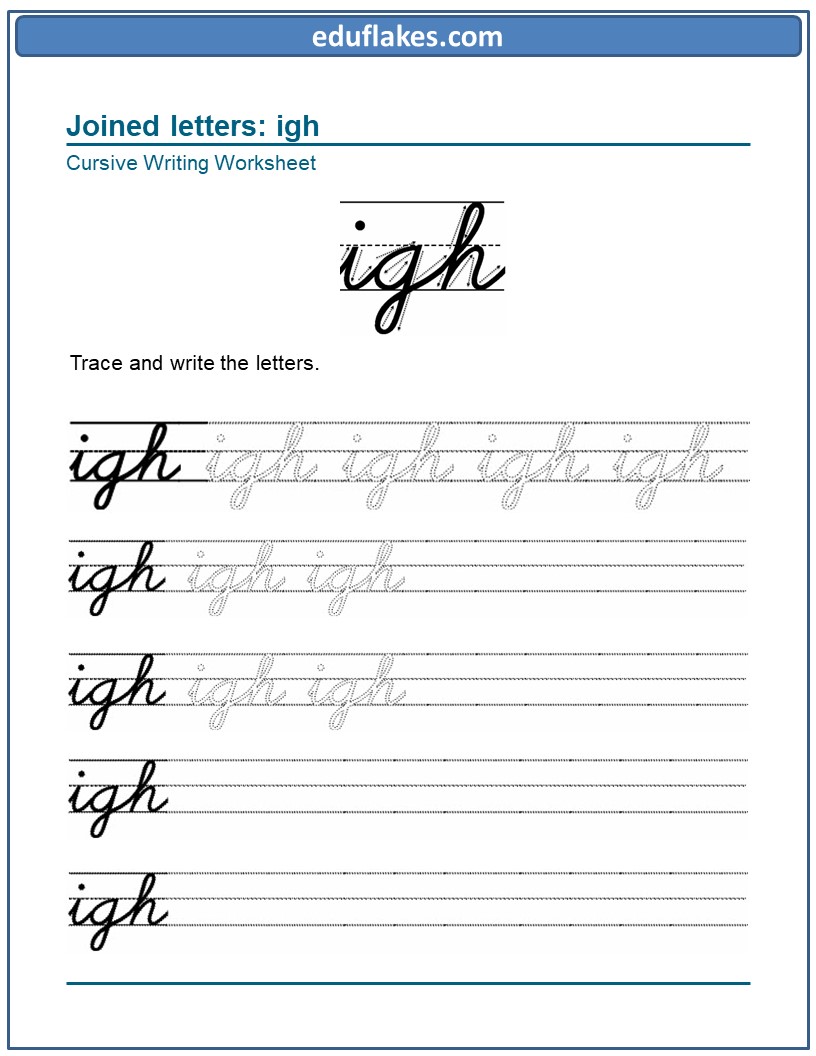
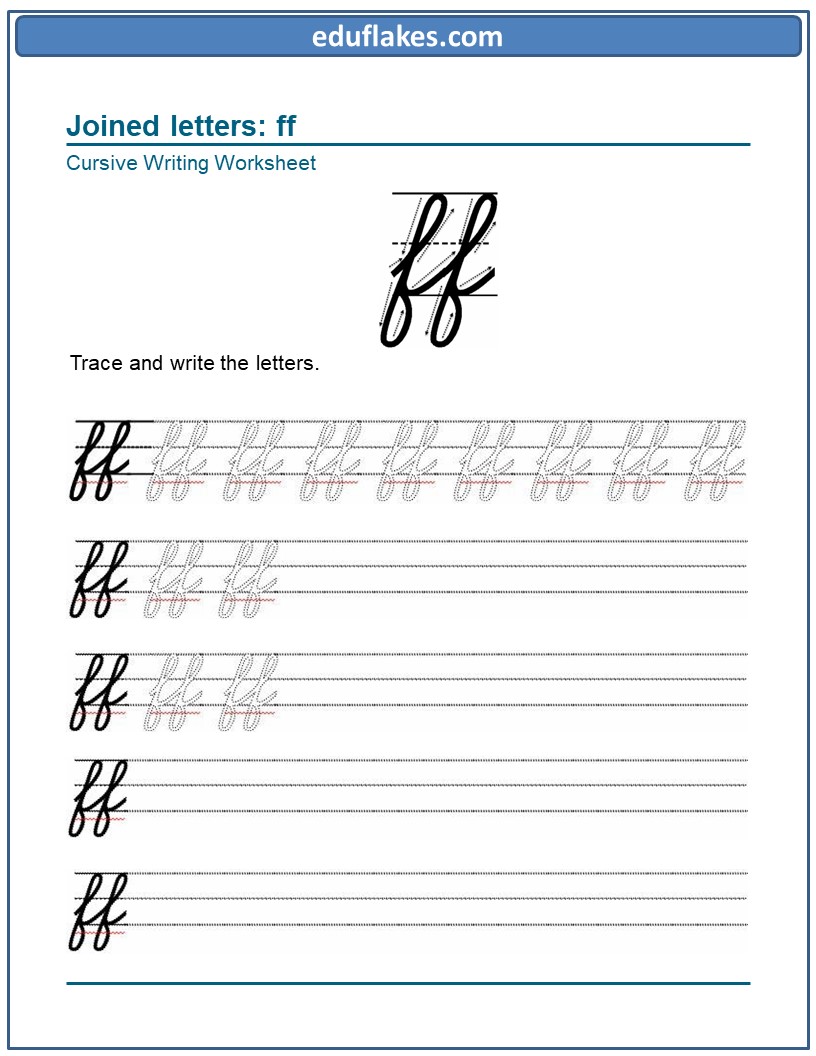
The worksheets in the PDF help children repeatedly trace and write joined letters, strengthening these muscles and developing steady control. Practicing joins like ing, squ, th, or ll builds muscle memory and smoothness in writing.
2. Boosts Cognitive Development and Brain Activation
Many studies show that cursive writing stimulates areas of the brain responsible for thinking, memory, and language. When a child writes in cursive, both the left and right hemispheres of the brain are engaged, promoting creativity and problem-solving.
The joining of letters requires children to think about spacing, movement, and rhythm, which strengthens neural pathways. This level of engagement enhances:
-
Processing speed
-
Letter recognition
-
Working memory
-
Reading comprehension
The variety of join combinations in the PDF—such as igh, qu, ee, ure, and oa—allows children to experience multiple handwriting patterns, boosting cognitive flexibility.
3. Improves Spelling and Word Formation
Cursive join writing helps children see words as interconnected units rather than separate letters. Because the hand flows continuously from one letter to the next, children learn to think of words in complete patterns.
For example, writing sh, ch, ay, or kn as joined units reinforces their sound patterns (phonemes). This directly improves spelling and helps children remember tricky words more easily.
When kids repeatedly practice joined letters from the worksheets, they naturally internalize spelling structures—an essential benefit for early readers and writers.
4. Enhances Writing Speed and Efficiency
One of the greatest advantages of cursive is increased writing speed. The smooth flow of connected letters reduces the need to lift the pencil after every letter, making writing faster and more efficient.
This skill becomes especially useful when students reach higher grades and need to take notes quickly. A child trained in cursive join writing can write more words per minute and with better legibility than one who only uses print handwriting.
The worksheets in the PDF introduce joins progressively, helping children develop automaticity—an essential component of fast, smooth writing.
5. Builds Confidence and Encourages Personal Expression
Handwriting is a child’s personal mark—something uniquely their own. Learning cursive gives children a sense of accomplishment and pride. Because cursive writing is traditionally associated with elegance and maturity, mastering it boosts a child’s self-esteem.
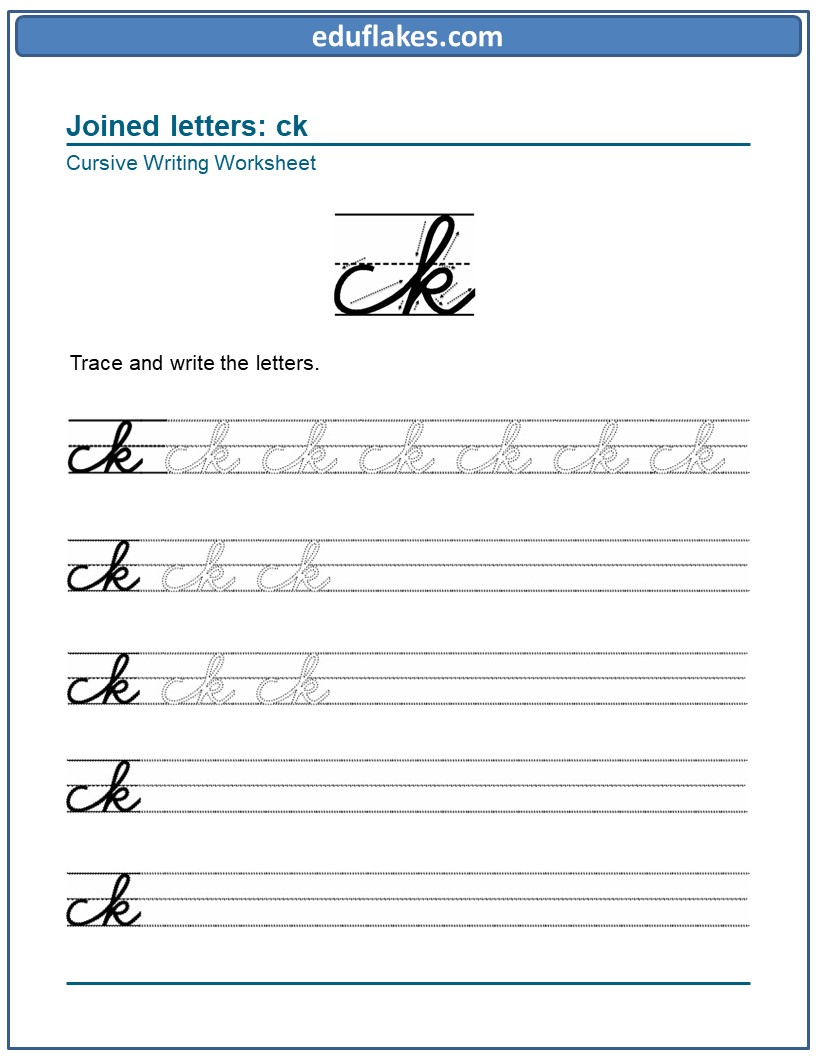
The carefully designed worksheets, each focusing on a single join like ck, ir, ae, ge, or oe, allow children to practice at a comfortable pace. As they progress through the sheets, they see tangible improvement, increasing their confidence.
6. Strengthens Reading and Writing Connections
Cursive writing helps children become better readers. Why? Because cursive reinforces letter recognition in a deeper way. Children learn to identify letters not only by shape but also by how they connect and move.
This connection improves:
-
Reading fluency
-
Sight-word recognition
-
Understanding letter patterns
-
Decode-and-blend skills
The join patterns in the worksheets—especially multi-letter ones like ere, ure, and igh—mirror sounds children encounter during reading. Practicing them strengthens both reading and writing at the same time.
7. Supports Children With Learning Differences
Surprisingly, cursive writing can be especially helpful for children with dyslexia, ADHD, or other learning challenges.
For dyslexic learners, the continuous motion of cursive writing can:
-
Reduce letter reversals (like b/d and p/q)
-
Improve sequencing
-
Encourage focus through rhythmic movement
-
Reinforce phoneme-grapheme connections
For children with ADHD, the flowing nature of cursive can feel calming and grounding.
The worksheets in the PDF are excellent tools for these learners, offering structured, repetitive practice that builds confidence and skill gradually.
8. Helps Preserve Cultural and Historical Literacy
Many historical documents—including personal letters, manuscripts, and official papers—were written in cursive. Being unable to read cursive means missing the ability to understand original texts, family letters, or even signatures.
Teaching cursive ensures that children remain connected to cultural heritage, historical documents, and artisanal forms of writing that are an important part of our collective history.
9. Encourages Discipline and Focus
Cursive writing demands concentration. Children must stay attentive to the letter shapes, join patterns, spacing, and movement. This mindful practice helps develop patience and discipline—qualities that support learning across all subjects.
As children move through the worksheet pages, they learn to focus on one join at a time, developing consistency and accuracy


Related products
-
before after between worksheets for kids
1st grade -
Words to numbers worksheet Grade 1
1st grade -

a an the articles worksheets
1st grade -
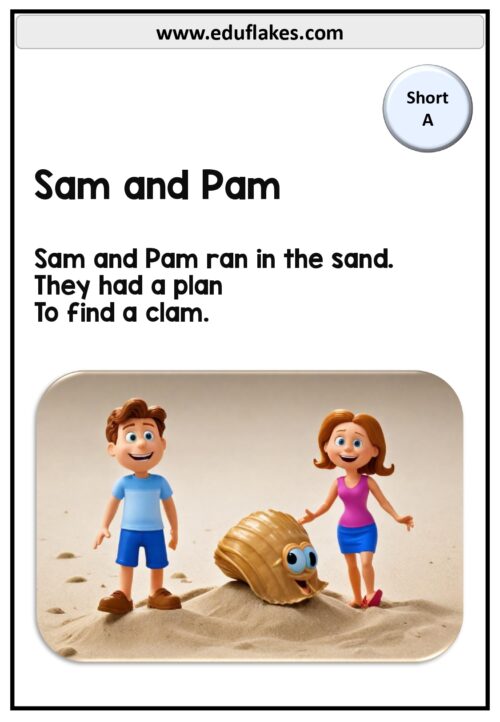
Free Phonics Poems for Kindergarten Kids
1st grade -