Free Pre-K Homeschooling Curriculum – A 36-Week Starter Guide for Homeschooling parents
Free Pre-K Homeschooling Curriculum – A 36-Week Starter Guide for Homeschooling parents
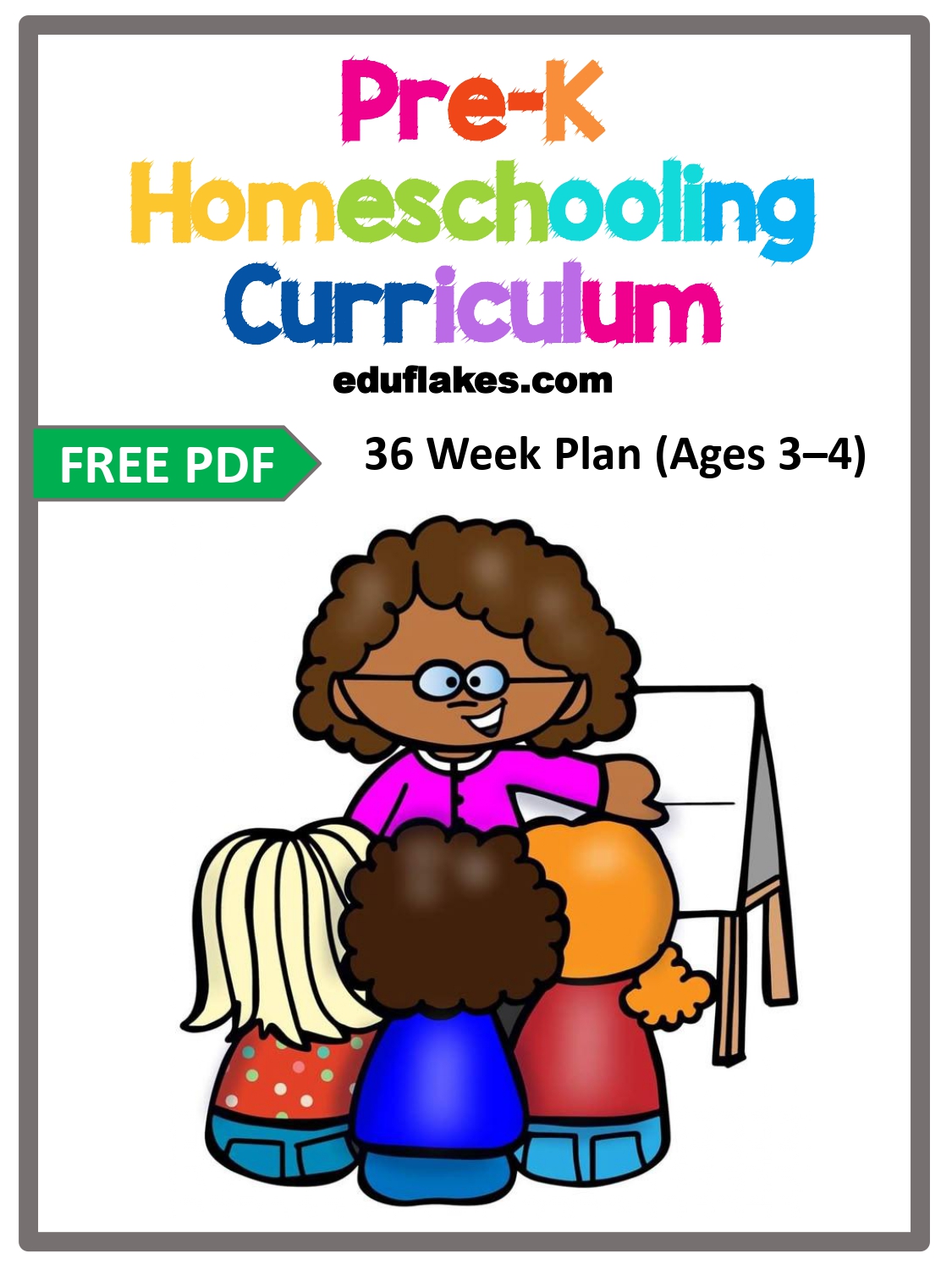
Beginning a homeschooling journey with young children can feel overwhelming. Parents often wonder: Where do I start? How do I make learning fun but structured? That’s where the Pre-K Homeschooling Curriculum: 36-Week Planner from Eduflakes.com becomes a game-changer.
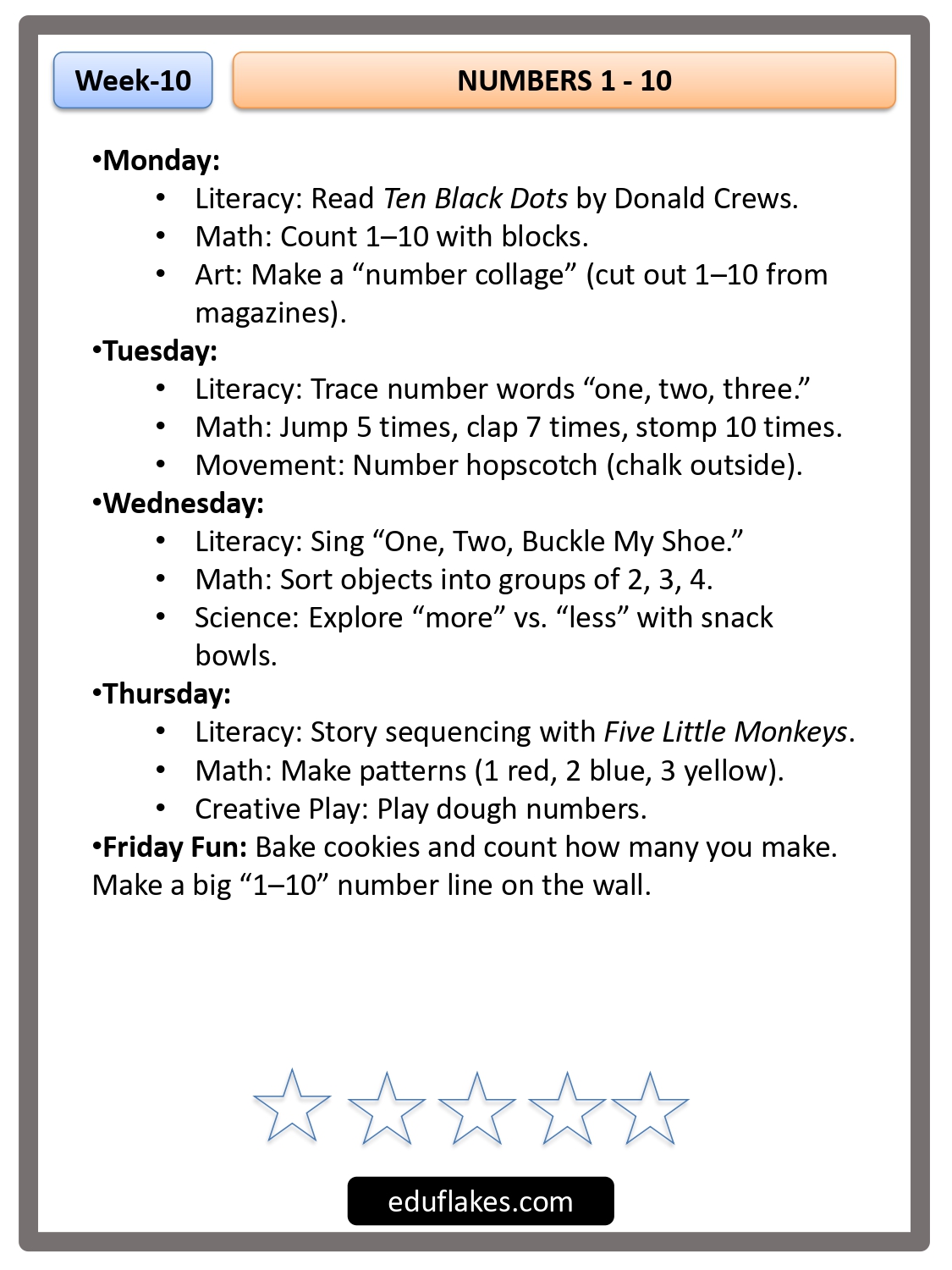
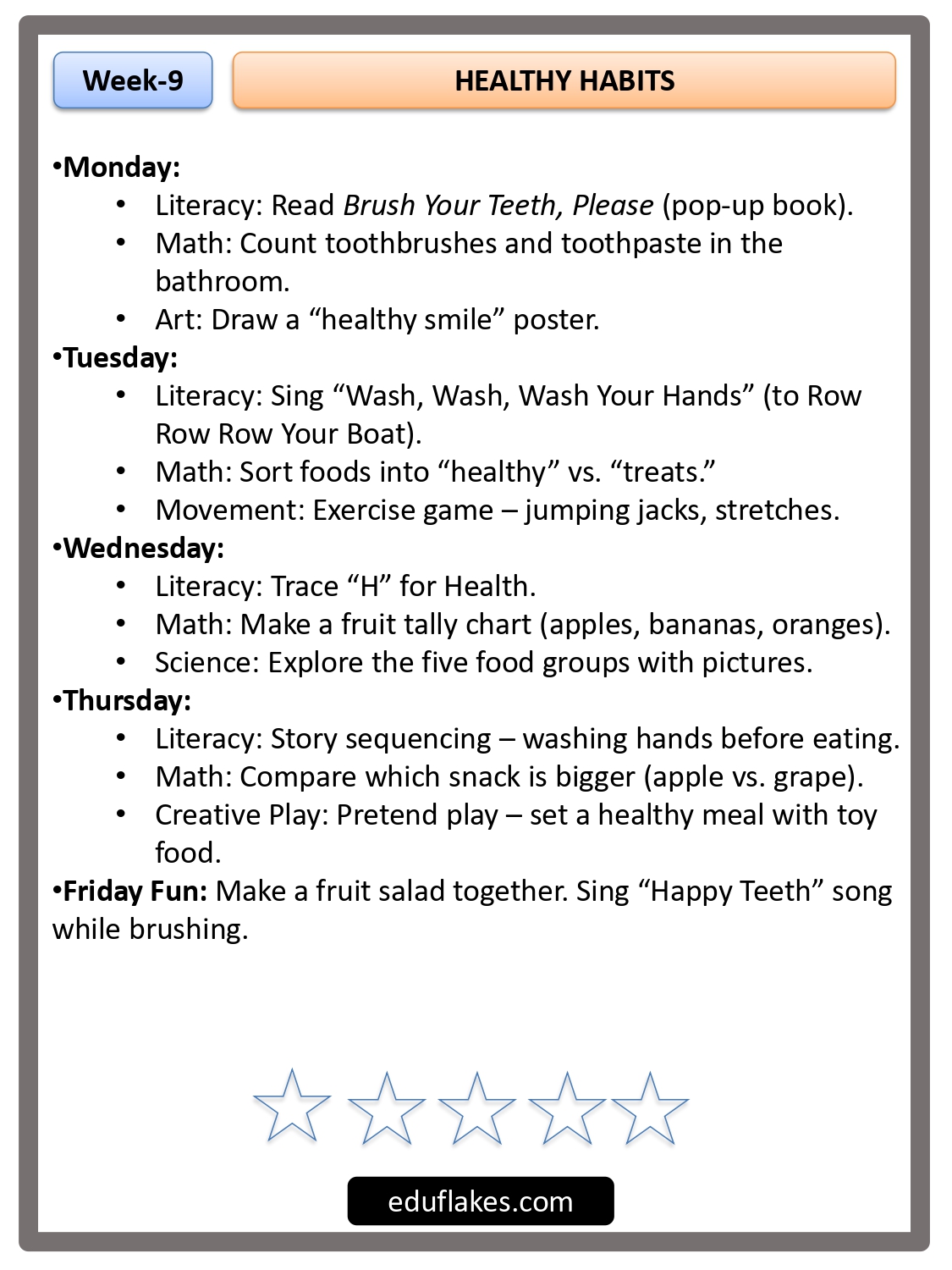
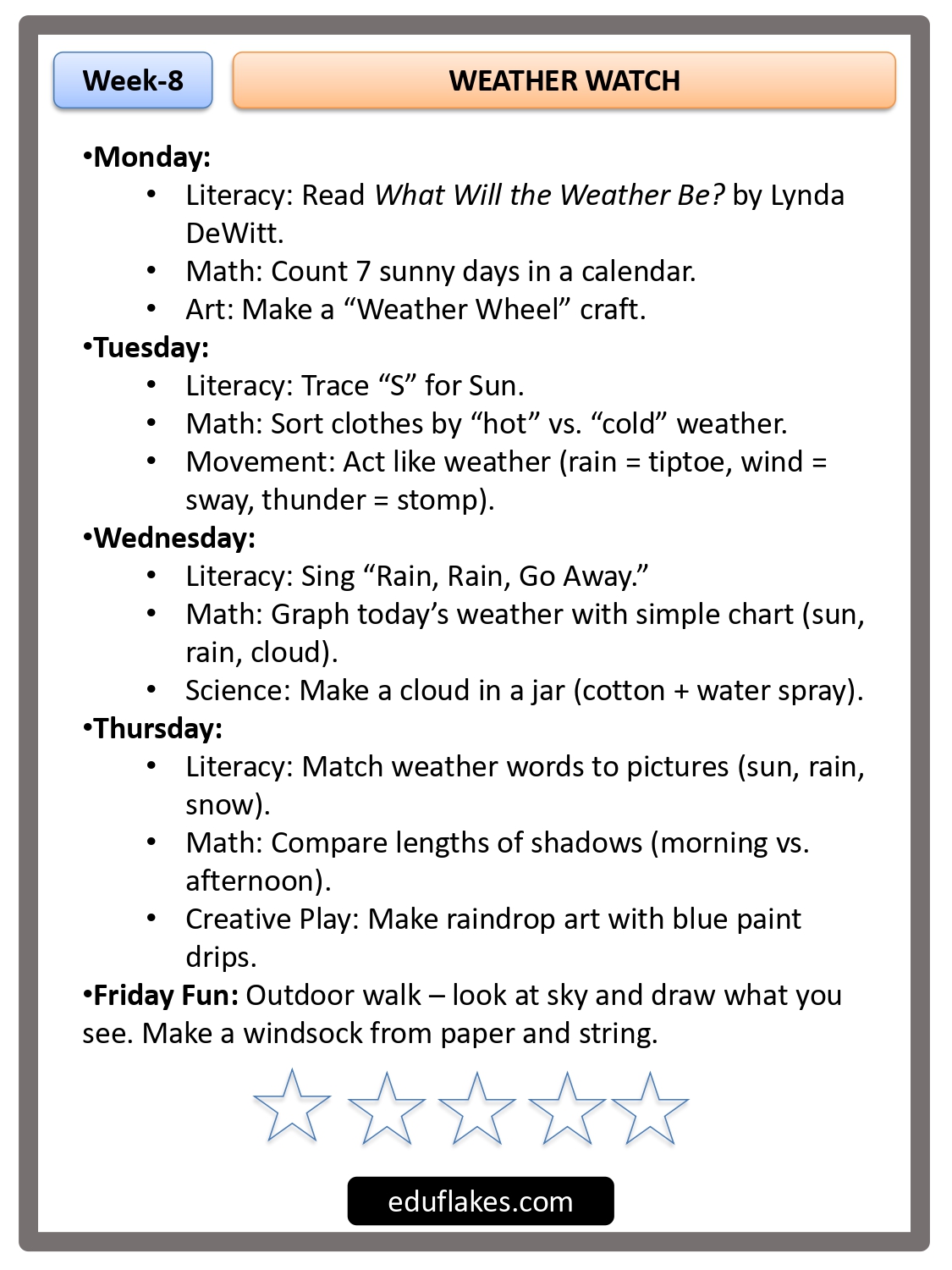
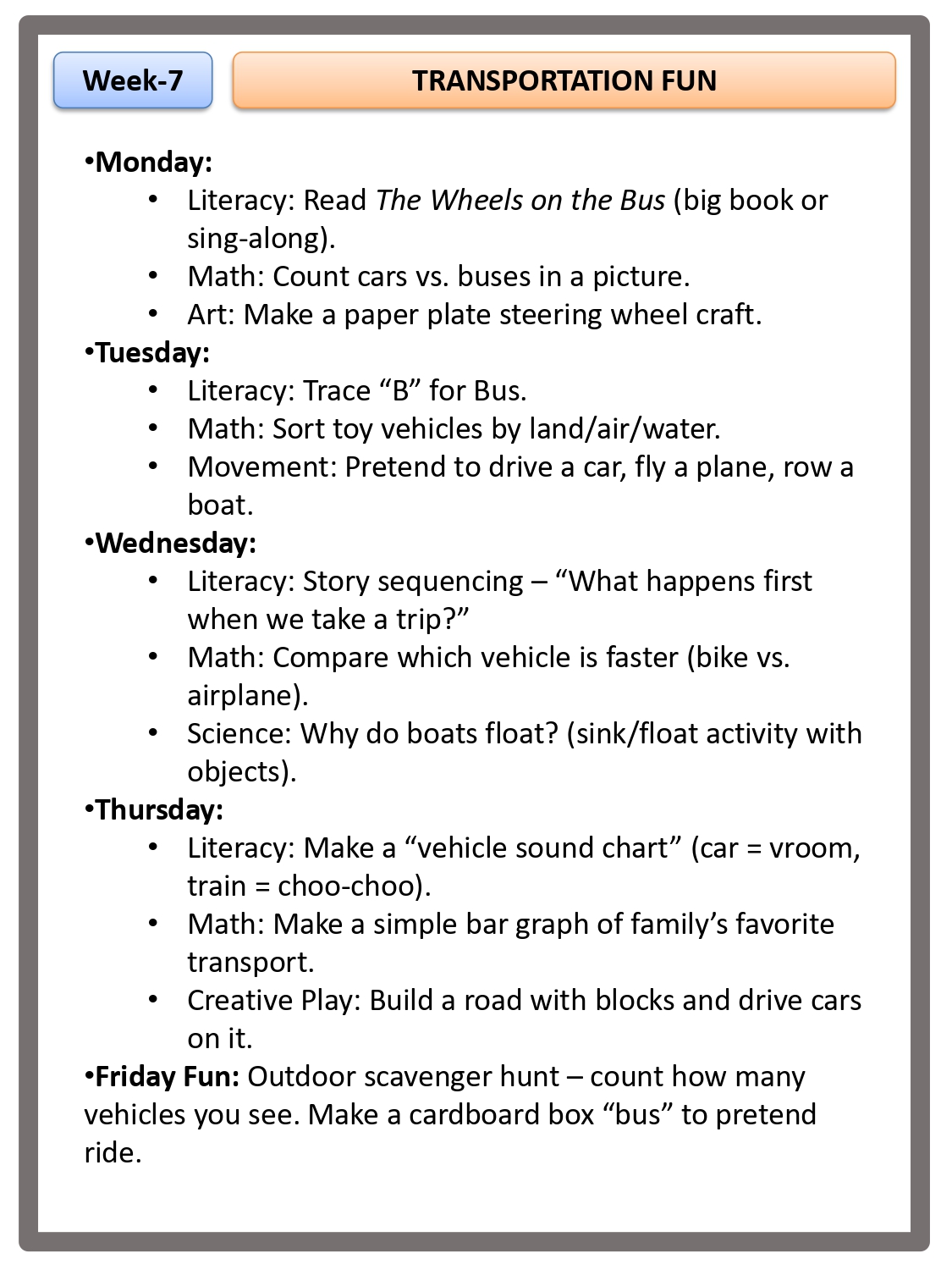
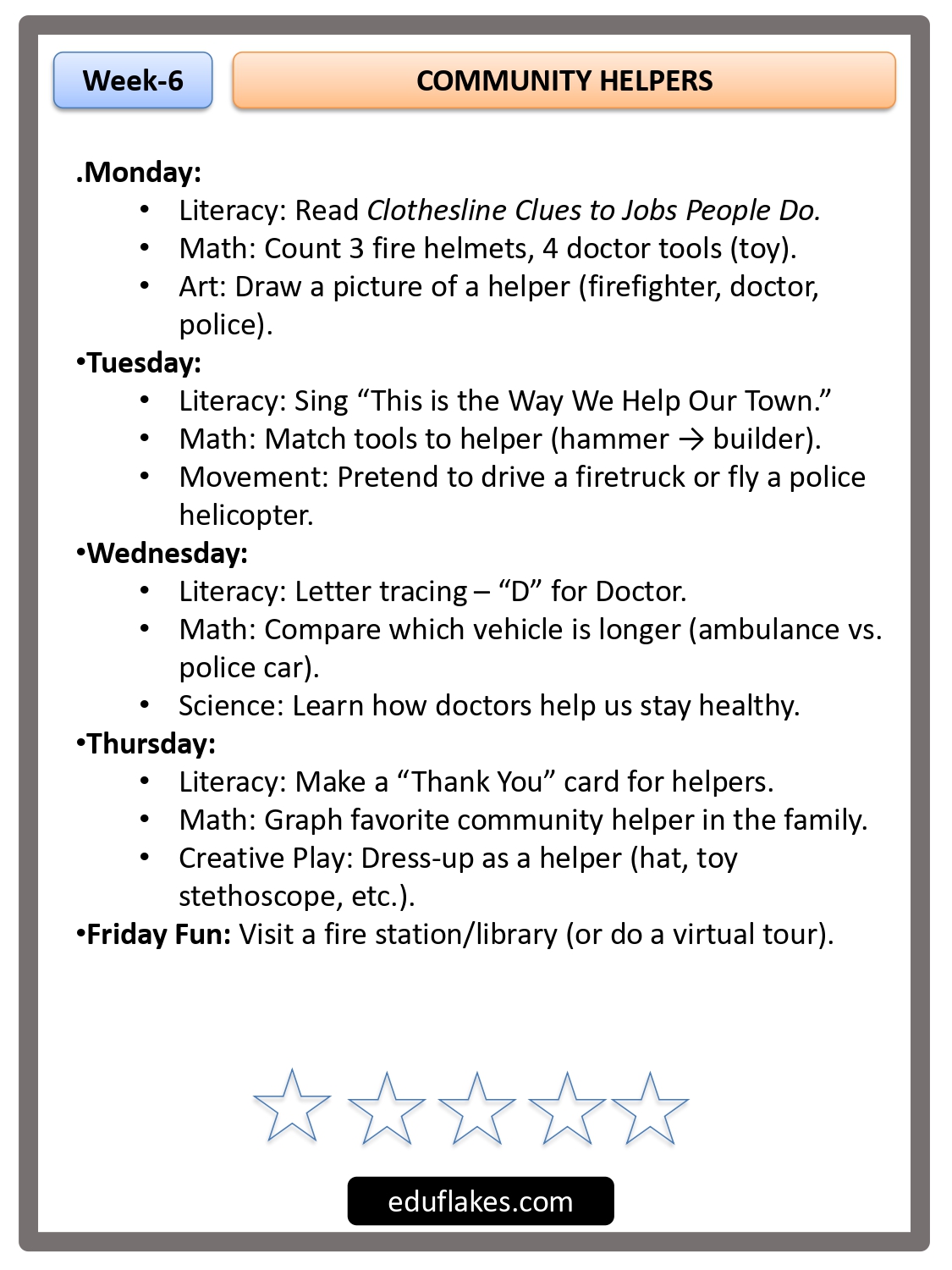
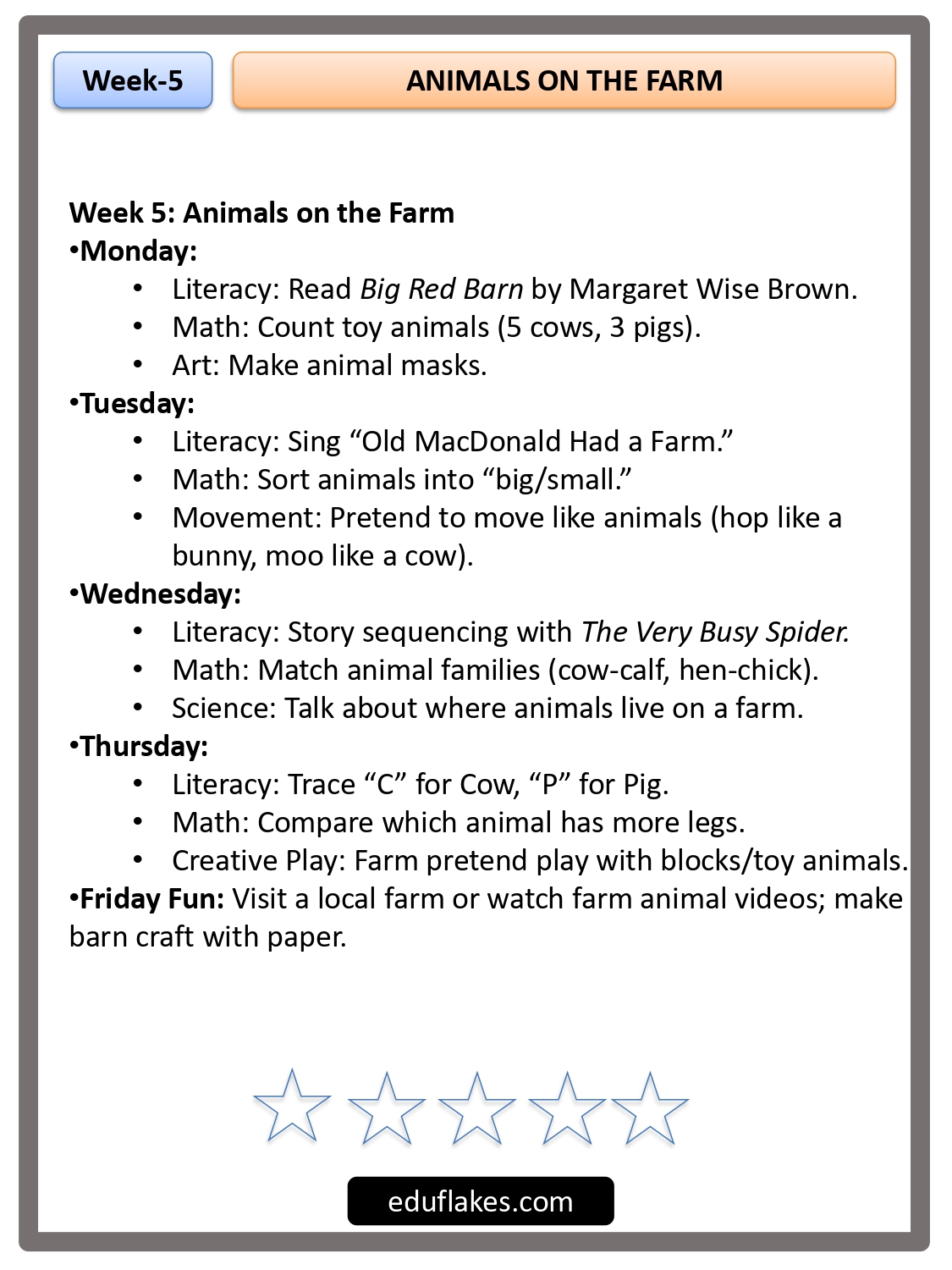
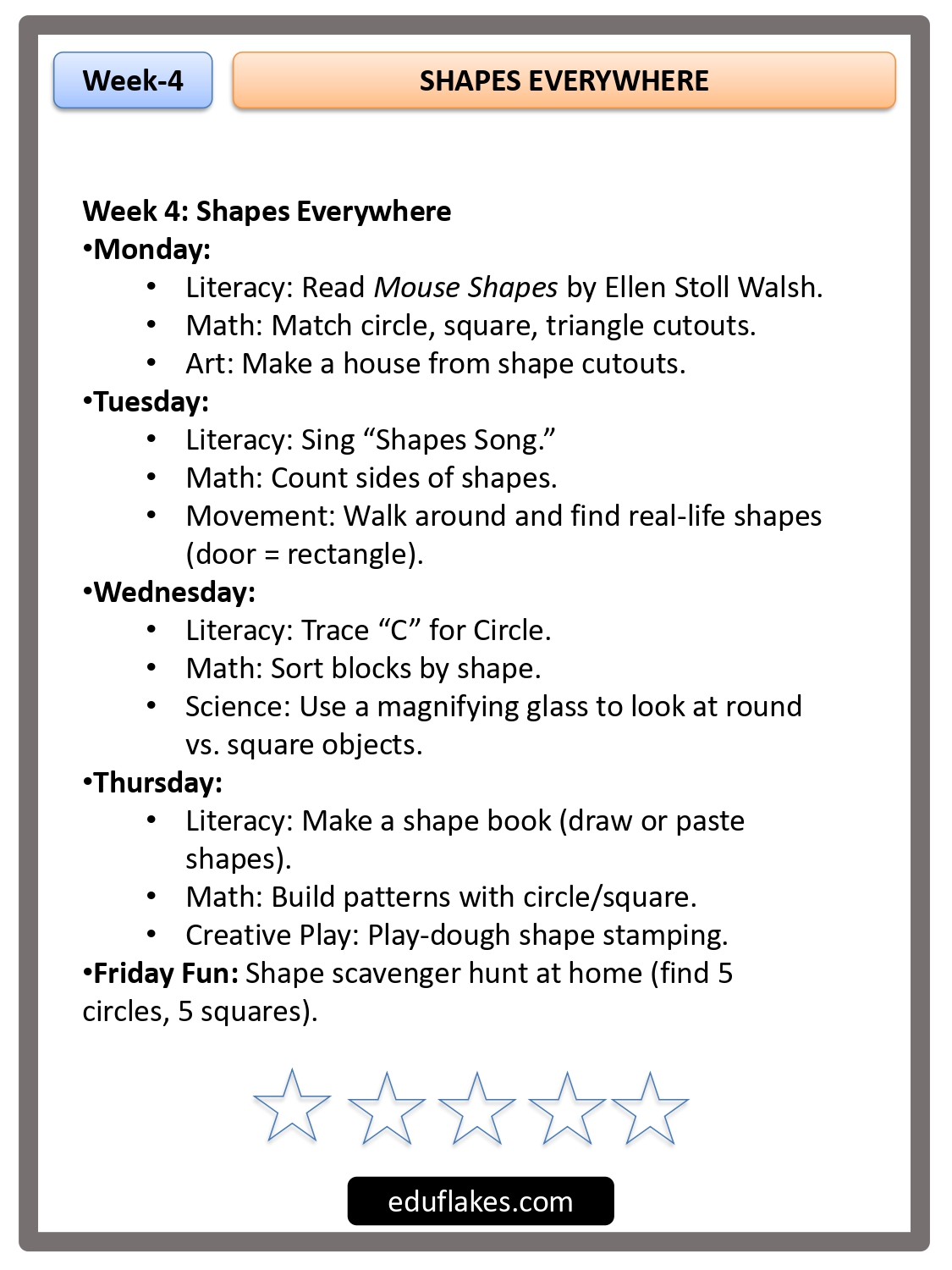
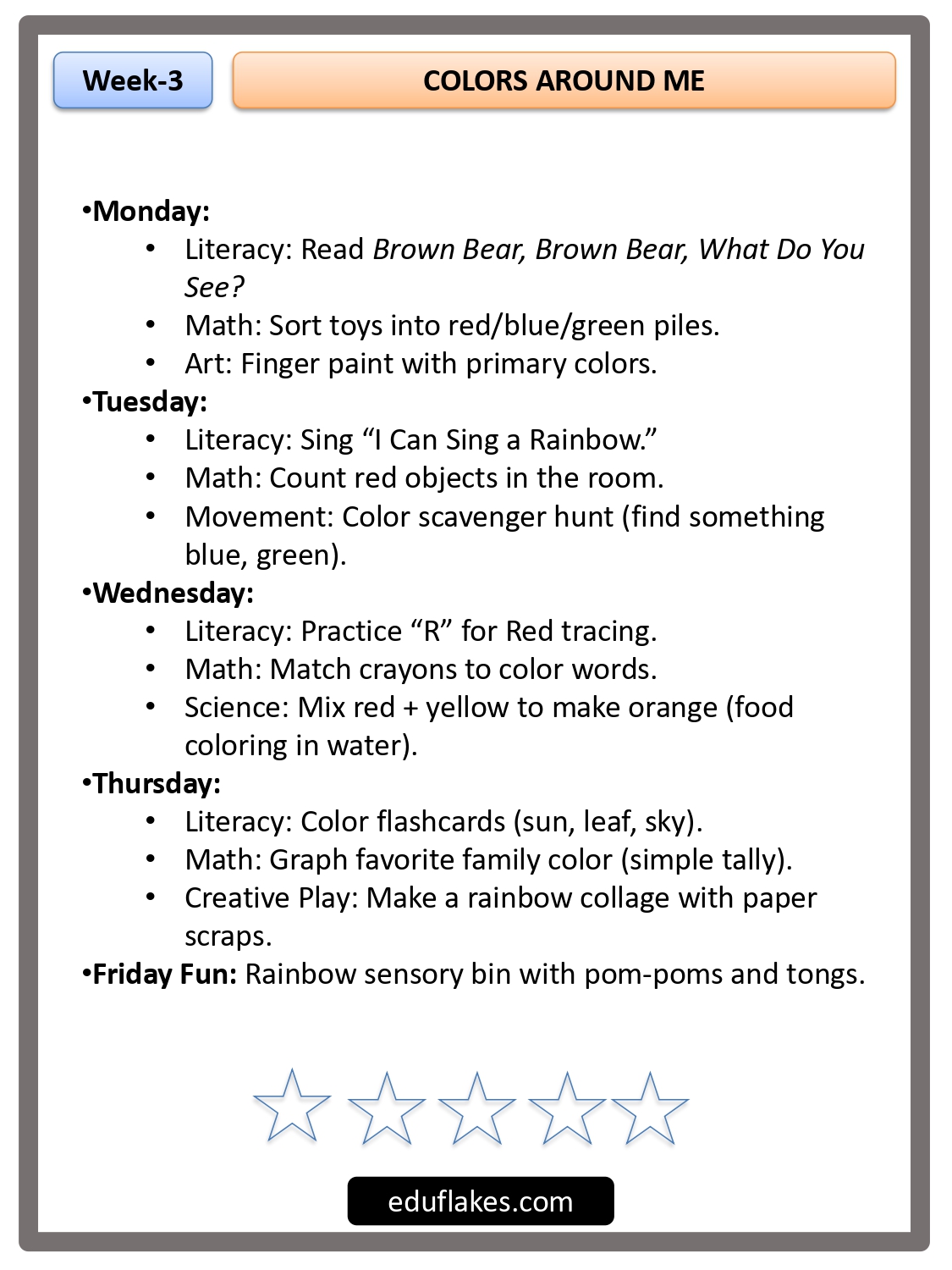
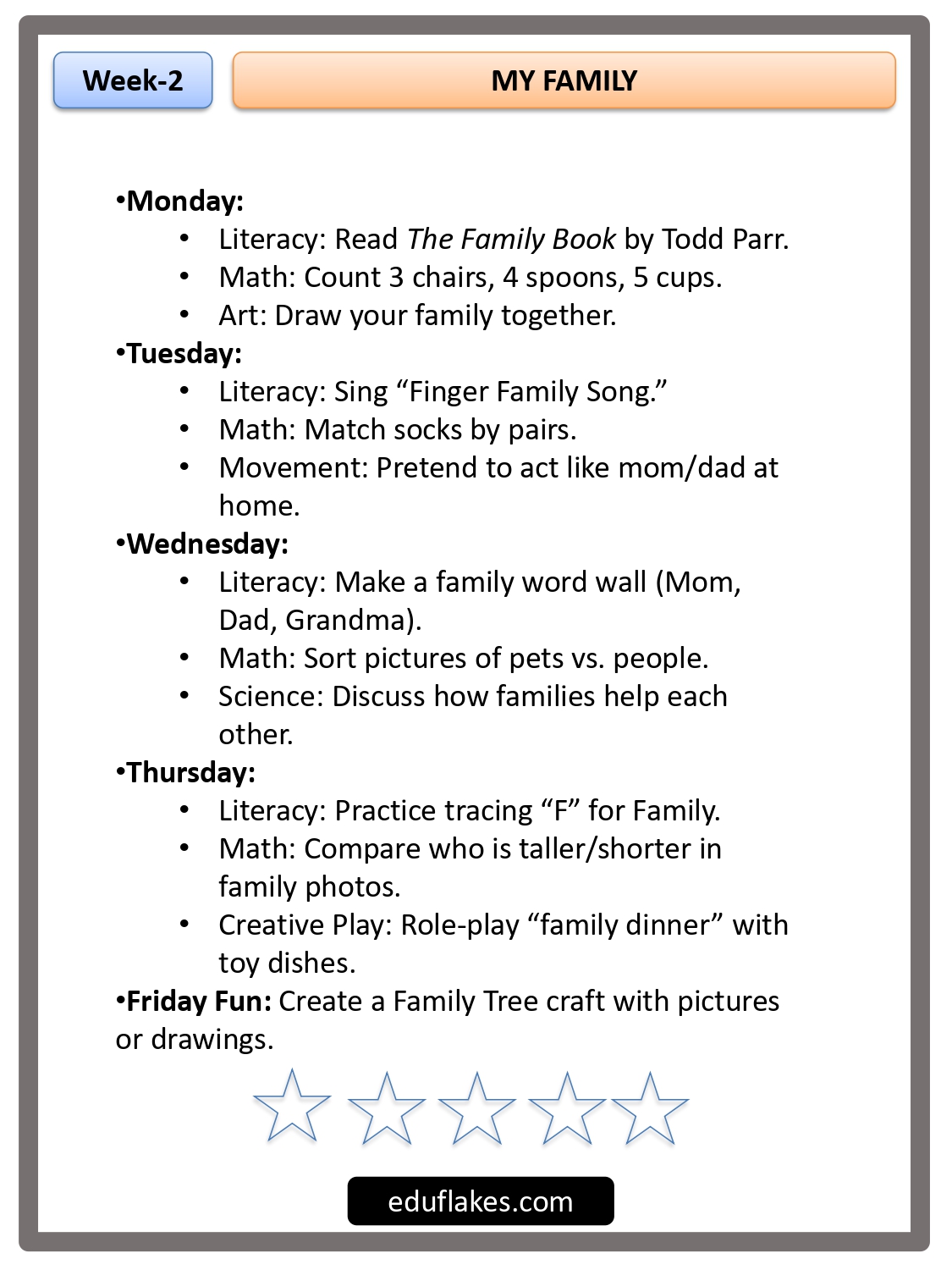
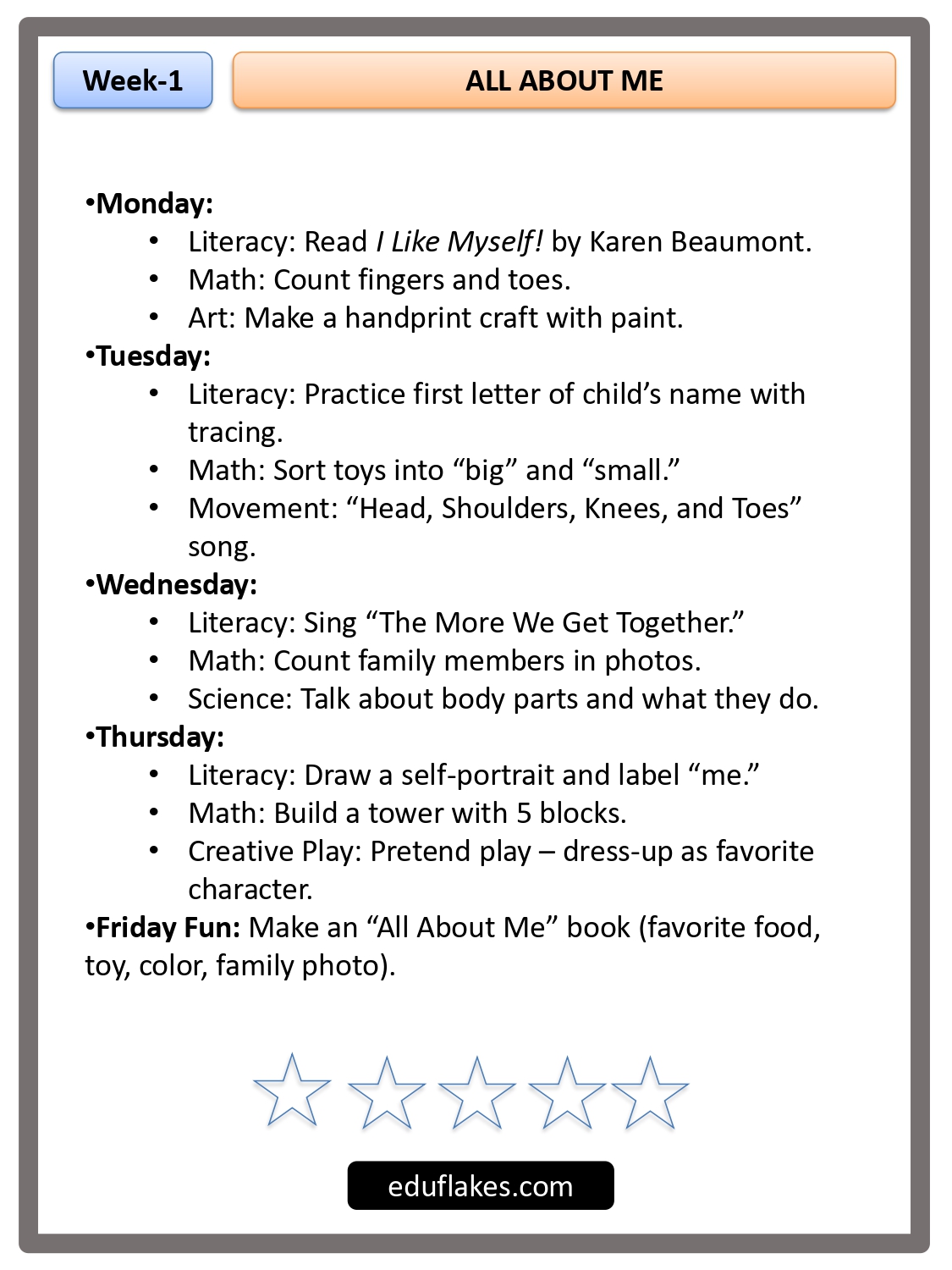
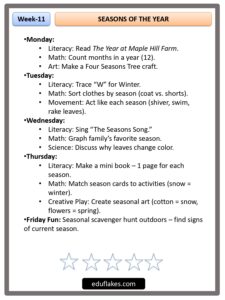
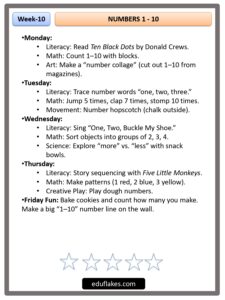
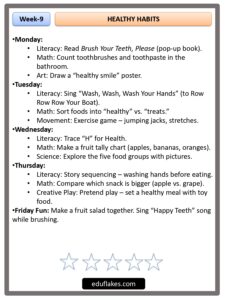
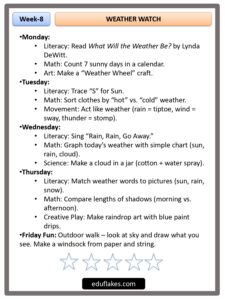
This free, ready-to-use resource provides 36 weeks of structured lessons for ages 3–4, organized around engaging weekly themes like “All About Me,” “Farm Animals,” “Weather Watch,” “Numbers 1–10,” “Space & Stars,” and more. Each week breaks down into daily activities—literacy, math, science/social studies, creative play, movement, and a fun Friday project.
In this article, we’ll explore:
-
What the curriculum includes.
-
Why it’s a perfect starter curriculum for Pre-K homeschooling.
-
How parents can track progress and completion.
-
Step-by-step guide to downloading it from Eduflakes.com.
What’s Inside the 36-Week Curriculum?
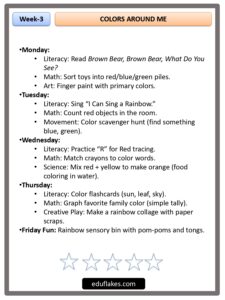
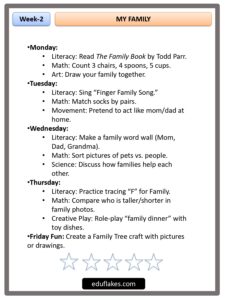
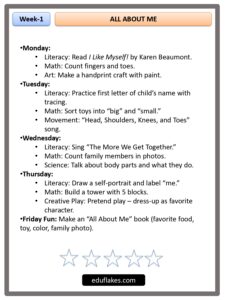
The curriculum is structured so parents don’t need to spend hours planning. Each week focuses on a theme children love (like colors, pets, or fairy tales) and breaks learning into small, manageable daily lessons.
Here’s what a typical week looks like:
-
Monday: Read an age-appropriate book, do a simple math activity (like counting blocks), and complete a themed art project.
-
Tuesday: Trace a letter, sort objects into categories (big/small, hot/cold), and move with a fun song.
-
Wednesday: Sing a nursery rhyme, graph or compare objects, and do a simple science observation.
-
Thursday: Story sequencing, number practice, and creative play.
-
Friday Fun: Special projects like crafts, cooking, sensory bins, or neighborhood walks.
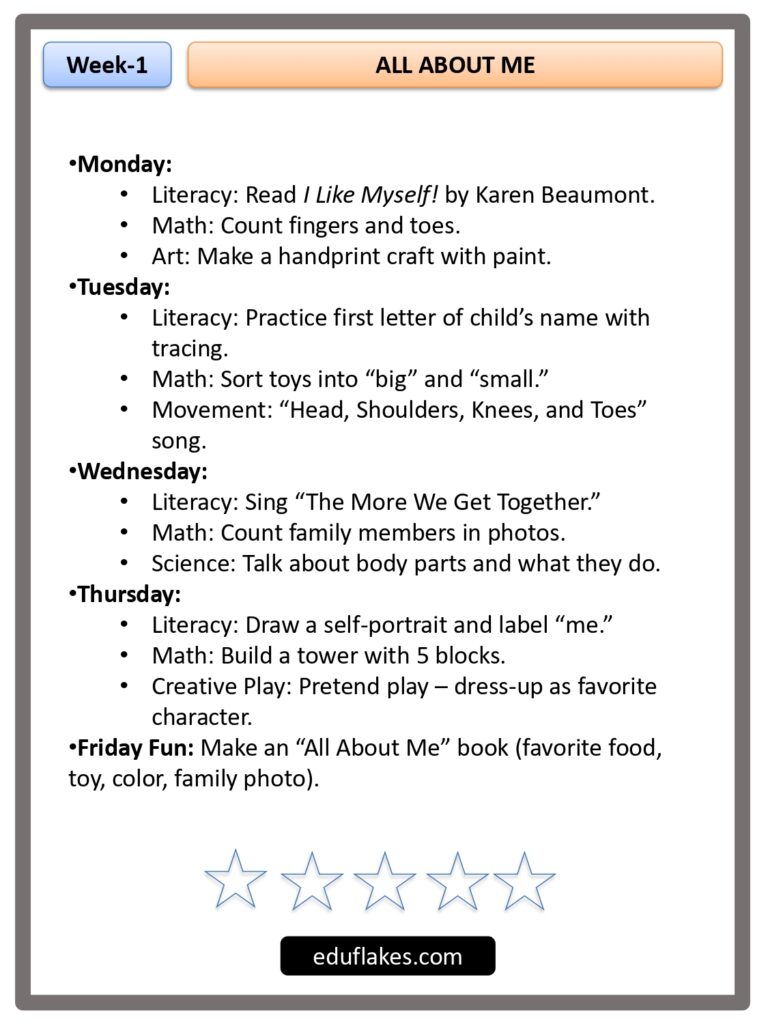
By the end of 36 weeks, children review the alphabet A–Z, numbers 1–20, shapes, colors, and opposites, plus hands-on experiences with science, art, movement, and life skills.
Why This Curriculum is a Great Starter for Homeschool Parents
-
No Guesswork
For first-time homeschooling parents, figuring out what to teach can be daunting. This curriculum provides a day-by-day guide, removing the stress of planning. -
Developmentally Appropriate
Every activity is tailored for ages 3–4, balancing structured academics with play-based learning. For example, counting seeds, acting like weather, or singing “The Itsy Bitsy Spider.” -
Thematic Approach
Weekly themes tie everything together, making learning meaningful and memorable. Kids don’t just memorize numbers—they count pumpkins in the fall or stars in the night sky. -
Balanced Subjects
The curriculum blends literacy, math, science, social studies, movement, and creative play, ensuring a well-rounded foundation. -
Flexible and Adaptable
Parents can adjust pacing—some families may do 5 days per week, while others stretch lessons over longer periods.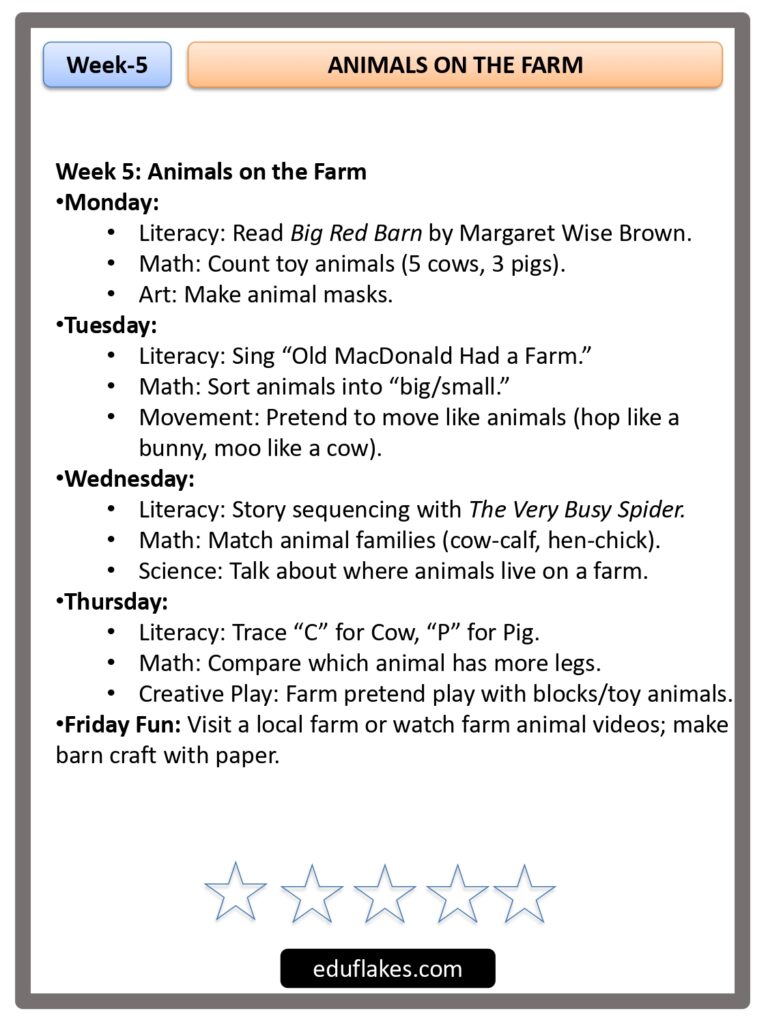
How Parents Can Track Completion
Tracking progress is essential in homeschooling—not only for accountability but also to celebrate milestones. Here are several ways to do it with this PDF:
1. Use a Weekly Checklist
Print the curriculum PDF and keep it in a binder. Each week, check off daily activities as they are completed. Children love marking their own progress with stickers or smiley faces.
2. Create a Portfolio
Keep samples of your child’s work (drawings, crafts, writing practice). Pair them with photos of activities (like jumping in leaf piles or visiting the farm). By the end of 36 weeks, you’ll have a portfolio of their growth.
3. Learning Journal
Encourage your child to keep a simple journal—parents can jot down what was learned each day or what your child said about an activity.
4. Mastery Tracking
For skills like counting to 20, recognizing shapes, or tracing letters, make a mastery chart. Note when your child shows independence in each skill.
5. End-of-Week Review
Each Friday, sit with your child and review what they learned. This builds reflection skills and reinforces retention.
6. Graduation Celebration
The final week (Week 36) includes a “Graduation” activity with songs, certificates, and a pretend ceremony. Use this as a milestone marker to celebrate completing Pre-K!
Practical Tips for Parents Using This Curriculum
-
Routine Matters: Start at the same time daily, even if it’s just 20 minutes.
-
Hands-On Materials: Gather crayons, paper, scissors, glue, playdough, and picture books.
-
Outdoor Learning: Many activities (like scavenger hunts or counting leaves) encourage getting outside.
-
Sibling Adaptations: Older siblings can join in—reading books aloud or helping with crafts.
-
Flexibility: If your child struggles with a concept, repeat the activity another day.
Download the Curriculum from Eduflakes.com

Why Eduflakes.com is a Helpful Hub for Homeschoolers
Eduflakes specializes in free and affordable curriculum resources for parents, teachers, and homeschoolers. Their resources are:
-
Aligned with US curriculum standards.
-
Age-appropriate (Pre-K through Grade 8).
-
Engaging and themed for seasonal or year-long use.
This makes Eduflakes.com a one-stop resource hub for busy families who want quality education without high costs.
The Pre-K Homeschooling Curriculum: 36-Week Planner from Eduflakes.com is an invaluable starting point for parents entering the world of homeschooling. With 36 themed weeks of structured, playful lessons, it eliminates the stress of planning while fostering curiosity, confidence, and foundational skills in preschoolers.
By tracking progress through checklists, portfolios, or end-of-week reviews, parents can stay organized and celebrate their child’s growth. And best of all, downloading it from Eduflakes.com is quick, easy, and free.
Homeschooling doesn’t have to be overwhelming—with the right tools, it can be a joyful journey. This planner gives parents the structure they need and children the fun, engaging lessons they deserve.


Related products
-

-
Kindergarten English Comprehension
Activities -
-

Olympics Worksheets and Printables Free PDF
Activities -