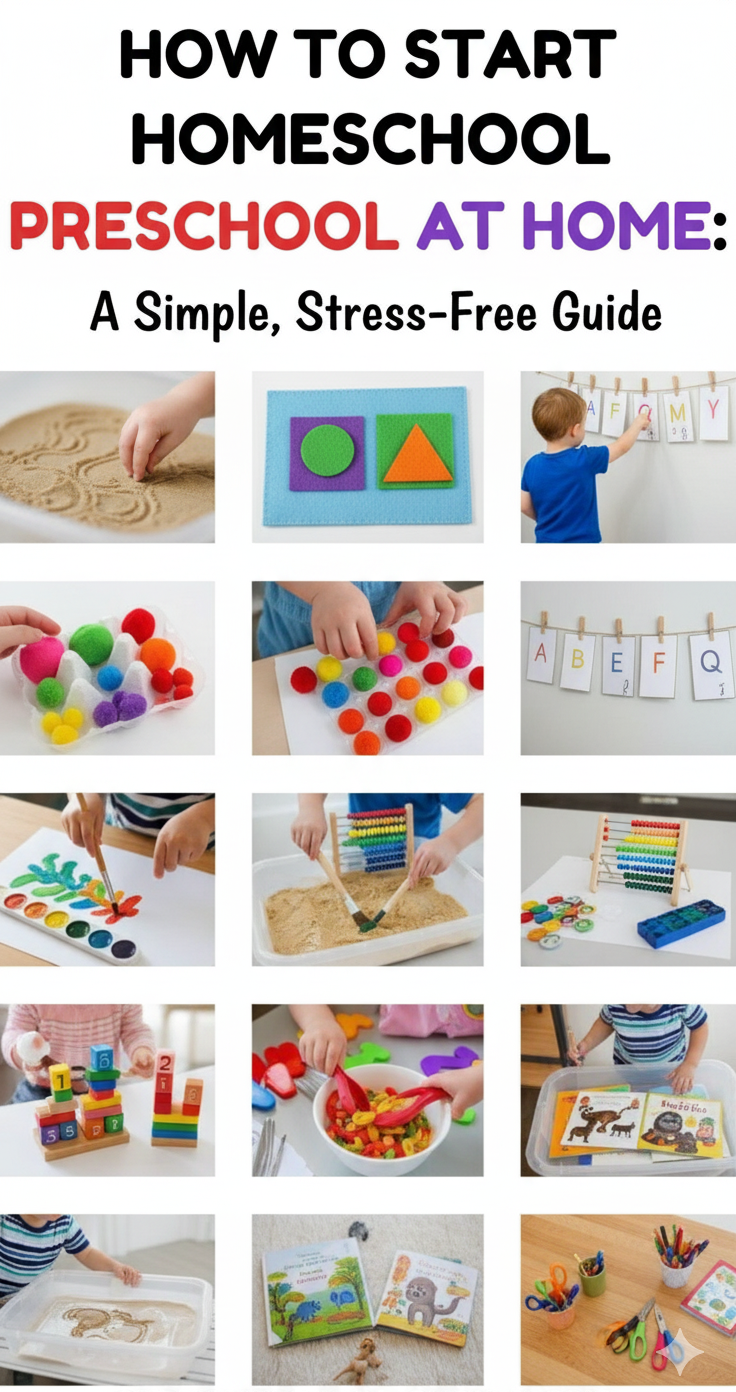
How to Homeschool Preschool at Home: A Simple, Stress-Free Guide
Learn how to homeschool preschool at home with simple routines, play-based learning, and stress-free tips every parent can use.
If you’ve been wondering how to homeschool preschool at home without losing your mind, the truth is: it doesn’t have to be complicated.
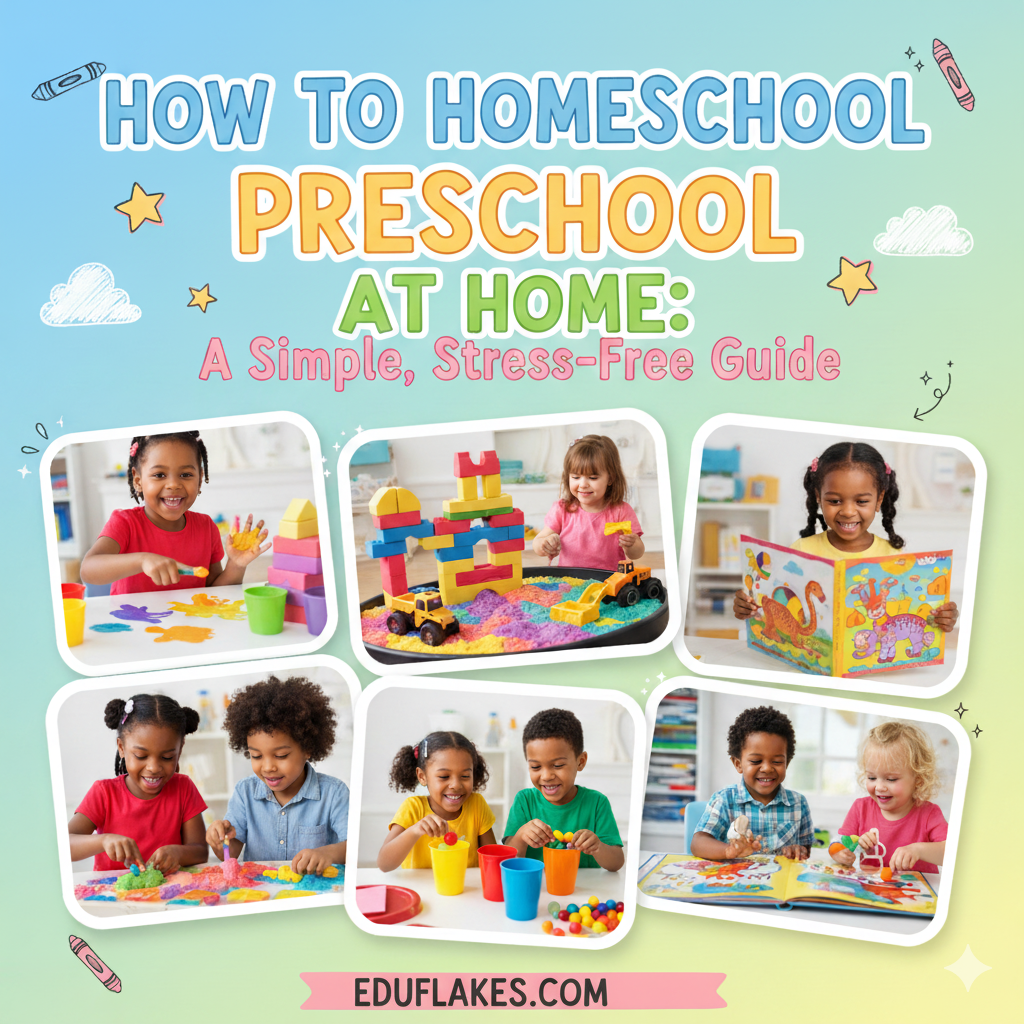
If you’re anything like me when I first started homeschooling, you’ve probably Googled “how to homeschool preschool at home” at least a dozen times. I remember sitting at my kitchen table with a cup of coffee, totally overwhelmed by all the advice out there. Some people made it look like I needed a classroom in my dining room, a stack of workbooks, and a teacher’s degree just to teach my 4-year-old the ABCs.
But here’s the truth: you don’t need to overcomplicate preschool at home.
Preschool isn’t about rigid schedules or memorizing endless flashcards. It’s about building a love of learning through play, everyday moments, and connection. Once I let go of the “perfect homeschool” idea, preschool at home became joyful — for me and my kids.
💡 Focus on the Basics
When I first began, I felt so much pressure to “cover everything.” But really, preschool at home boils down to five simple goals:
-
Reading Readiness – letters, sounds, and listening to stories.
-
Number Sense – counting, sorting, shapes, and patterns.
-
Fine Motor Skills – cutting with safety scissors, coloring, playdough.
-
Gross Motor Skills – hopping, dancing, climbing at the playground.
-
Social-Emotional Skills – sharing, taking turns, learning about feelings.
If you’re checking in on these every week, you’re doing more than enough.
Our Simple Daily Rhythm
Instead of trying to replicate public school at home, I found that a daily rhythm works best. Preschoolers thrive on predictability, but they don’t need rigid time blocks.
Here’s what our mornings usually look like:
-
Morning Circle (10 min): Sing a song, check the weather, maybe look at the calendar.
-
Learning Time (15–20 min): Focus on one letter, number, or theme activity.
-
Snack + Outdoor Play (30+ min): Backyard play or a quick walk in the neighborhood.
-
Creative Time (20 min): Crafts, painting, building with LEGO.
-
Storytime (10–15 min): Cuddle on the couch with a library book.
That’s it. Simple. Two focused hours a day and the rest of the learning comes through play, errands, or cooking together.
🍎 Weekly Themes Keep Us on Track
When I felt lost about what to teach, choosing a weekly theme made everything easier. Instead of random activities, we’d have one focus.
For example, during Farm Animal Week:
-
We read Big Red Barn.
-
We counted toy cows and sorted them into “big and small.”
-
We sang “Old MacDonald” until my kids begged me to stop. 😂
-
We drew a barn and glued little cutout animals inside.
-
On Friday, we visited a local petting zoo (our field trip!).
That’s a whole week of preschool right there — and it never felt like “schoolwork.”
🖍 You Don’t Need Fancy Supplies
Trust me, I’ve been that mom who bought way too many preschool workbooks that ended up gathering dust. You don’t need all that. Here’s what’s in our preschool basket:
-
Crayons, markers, paper, glue, and scissors.
-
Playdough.
-
A sensory bin filled with rice or beans.
-
Blocks or LEGO.
-
A stack of picture books from the library.
With just those basics, we’ve done months of preschool at home.
🌳 Everyday Life = Learning
The beauty of homeschooling preschool is that learning doesn’t stop when “school time” ends. In fact, most of our best lessons happen during regular life.
-
Cooking: Count eggs, stir pancake batter, measure sugar.
-
Shopping: Point out letters on cereal boxes, compare fruit colors.
-
Outside: Collect leaves, watch ants, or find shapes in the clouds.
Your child doesn’t even realize they’re “doing school” — but they are!
🚧 Common Problems (and How I Got Through Them)
1. My child won’t sit still
Totally normal. Preschoolers are movers. I stopped fighting it and started including movement in lessons — hop while counting, clap while saying the ABCs, march around the living room to sight words.
2. Feeling like I’m not doing enough
Oh, friend, this one hit me hard. But preschool is not about drilling academics. Reading stories, exploring outside, and playing with blocks are ALL learning. Once I accepted that, I could relax.
3. Meltdowns during “school time”
We’ve had plenty. My rule now: if a meltdown starts, we pause. Sometimes all my child needs is a snack or a hug. We come back later — no big deal.
4. Tracking progress
I keep it simple. I save one or two drawings or crafts each week in a folder. I jot down notes like, “counted to 15 today!” And I take photos of activities. Looking back, I can see how far my child has come.
5. Burnout (for me!)
I’ve had those days where I just didn’t have it in me. When that happens, I lean on free printables, audiobooks, or even ask my older child to do story time. It’s okay to keep it light some days.
📸 A Sample Week (Theme: Colors 🌈)
-
Monday: Read Mouse Paint and finger-paint color mixing.
-
Tuesday: Go on a color scavenger hunt around the house.
-
Wednesday: Make a rainbow collage from scraps of construction paper.
-
Thursday: Dance with scarves while singing a color song.
-
Friday: Bake cookies and add food coloring for fun!
Simple. Fun. Memorable.
❤️ Final Thoughts, Mama
If you’re stressing over how to homeschool preschool at home, I want you to hear me: you don’t have to overcomplicate this.
Preschool is about building a foundation through love, stories, play, and curiosity. You don’t need an expensive curriculum or a Pinterest-worthy setup. Your child needs YOU.
So the next time you wonder if you’re doing enough, remember this: if your child feels loved, is read to, and has time to play and explore — you’re rocking preschool at home. 💕


Related products
-

Blank Face templates free printable
Activities -

-
-
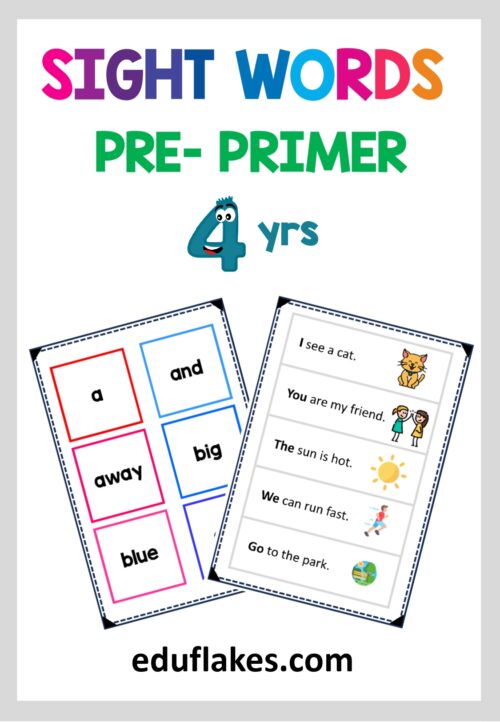
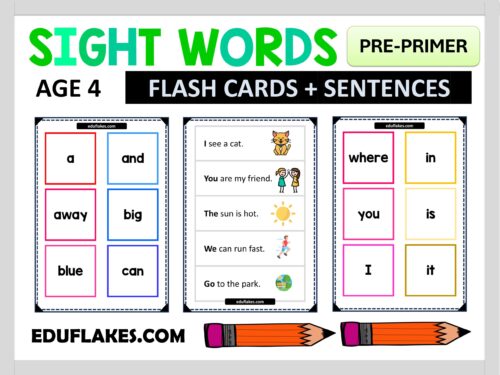
Kindergarten Sight Words Age 4
Activities -